



































Smart light poles: the necessity and consideration of large area arrangement
With the acceleration of urbanization and the continuous development of intelligent technology, smart light poles, as part of urban infrastructure, are receiving more and more attention. However, as to whether it is necessary to arrange smart light poles on a large scale, it is really a question worth exploring in depth.
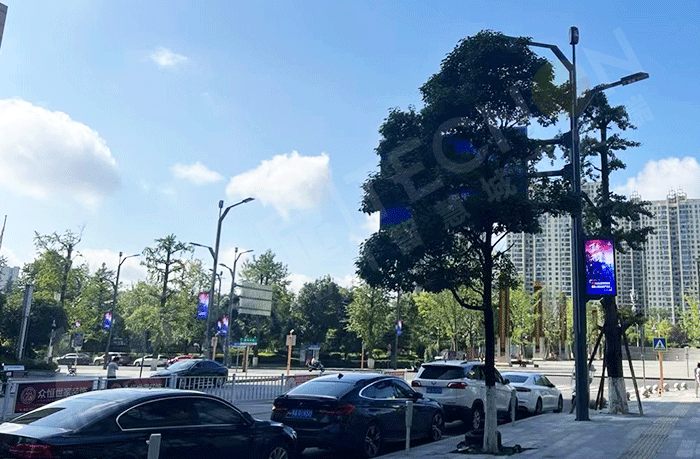
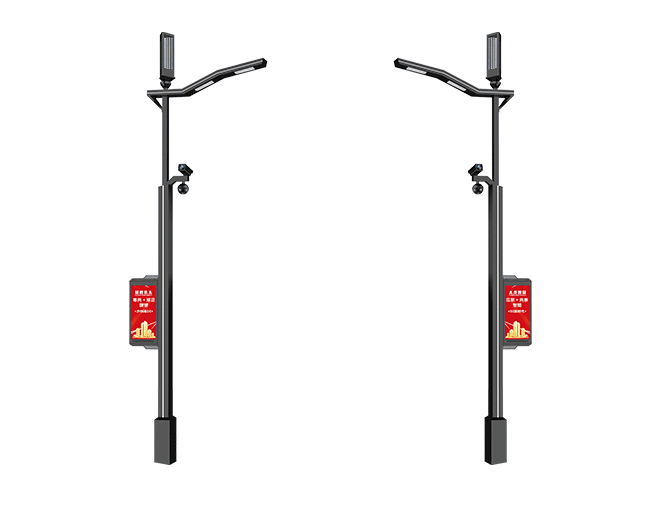
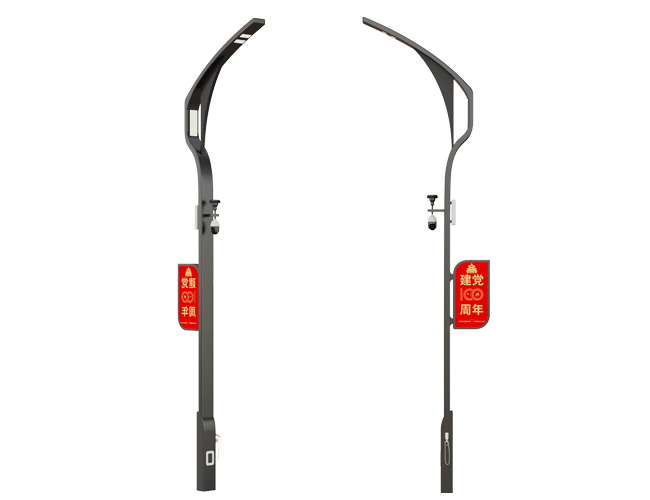
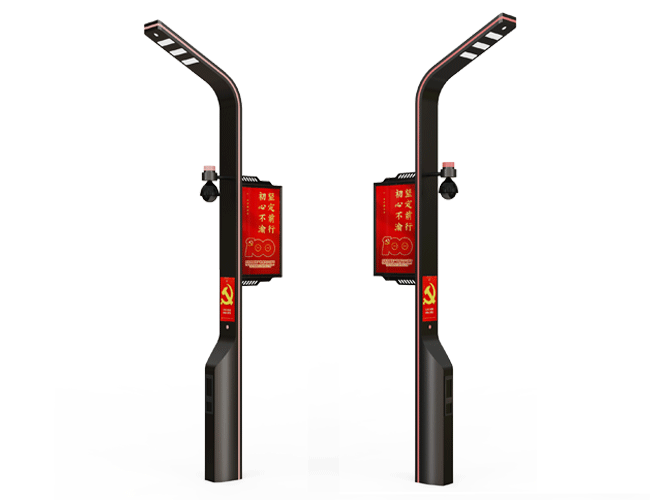
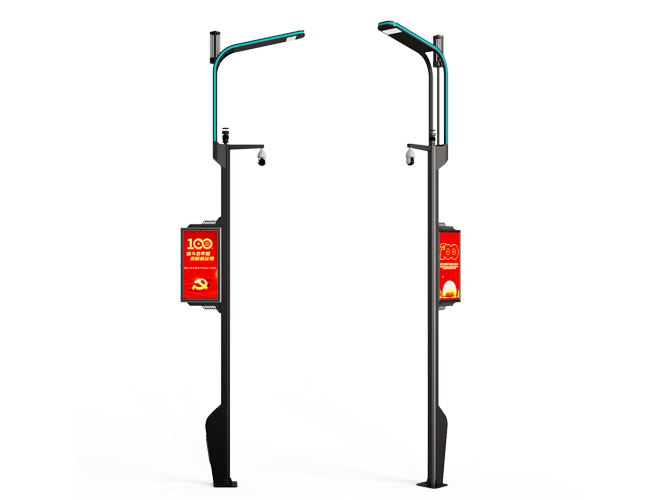
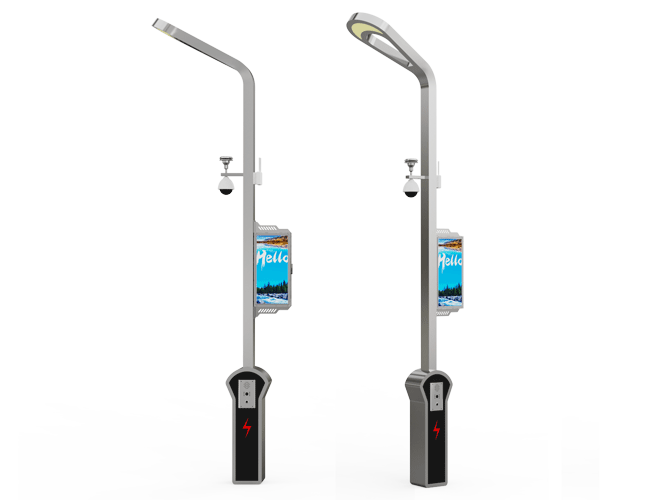
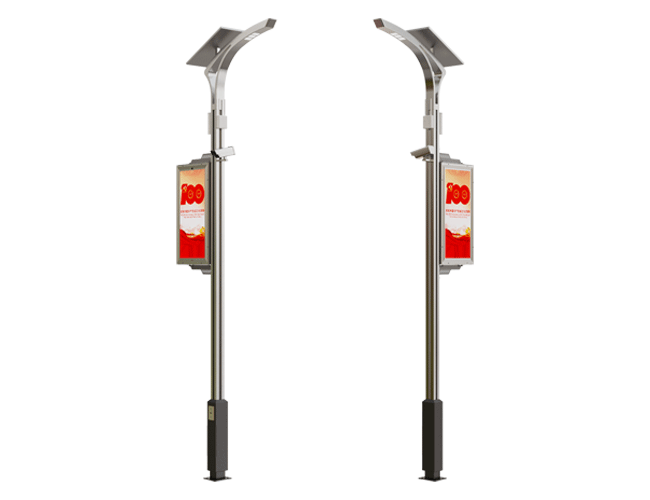
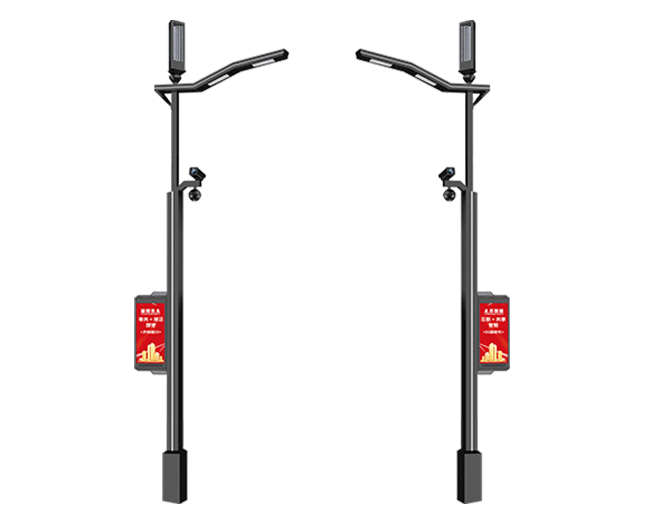
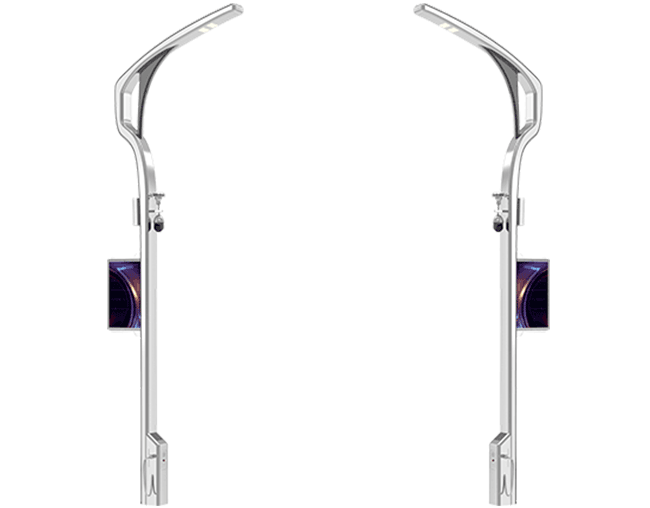
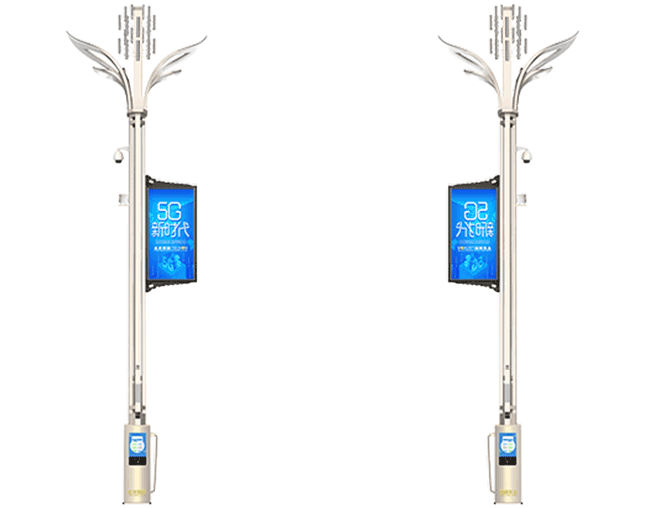
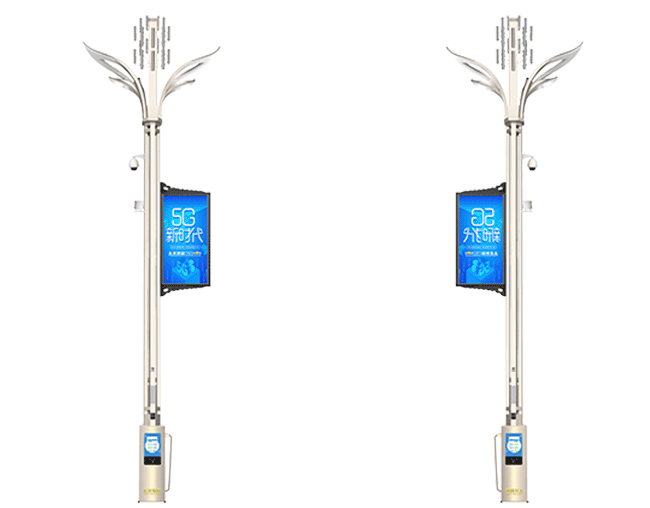
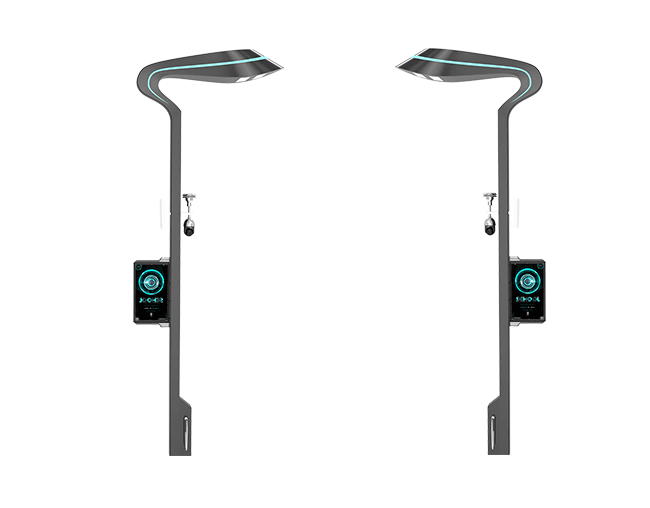
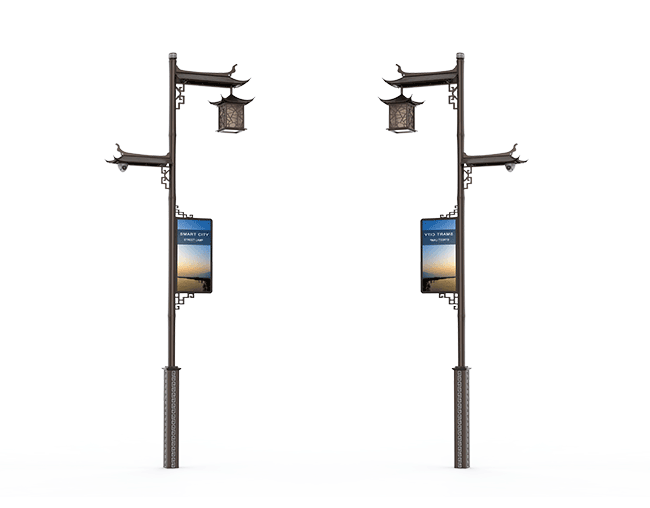
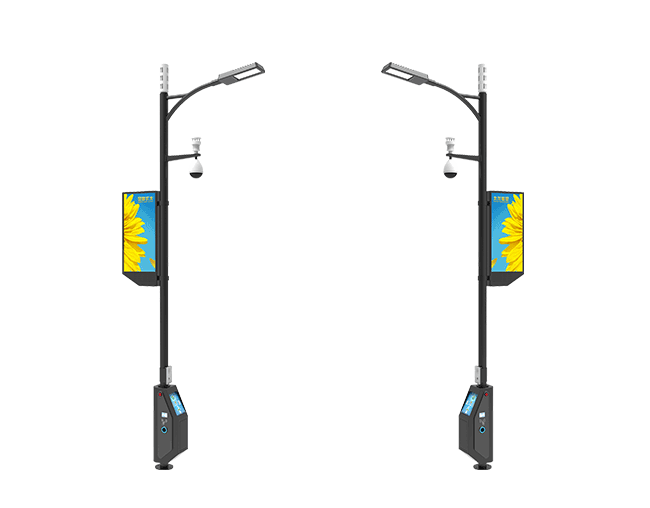
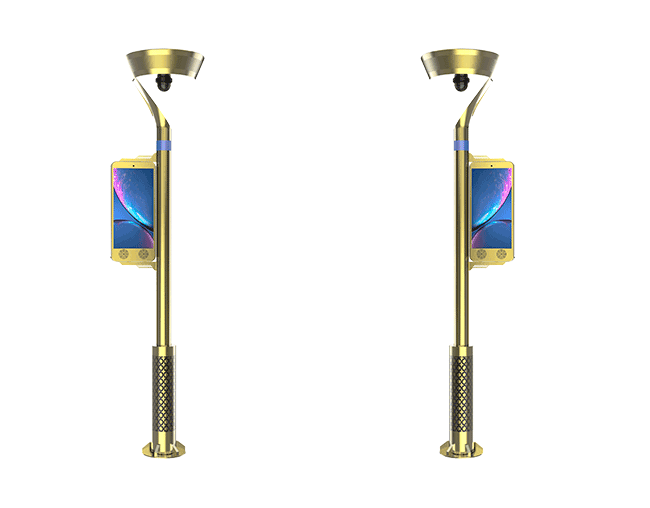
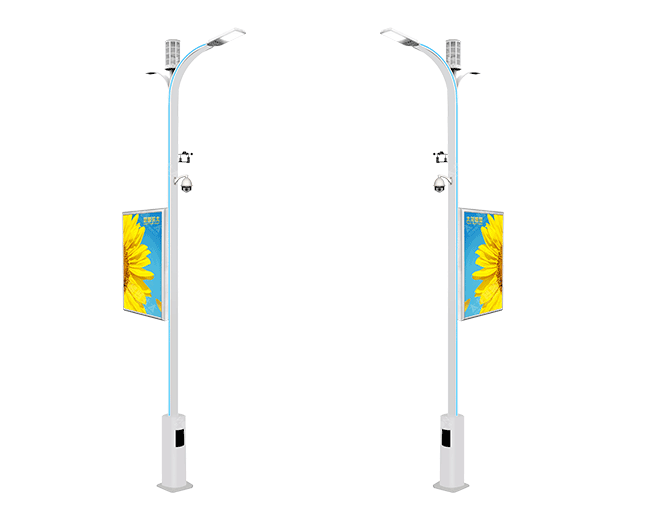
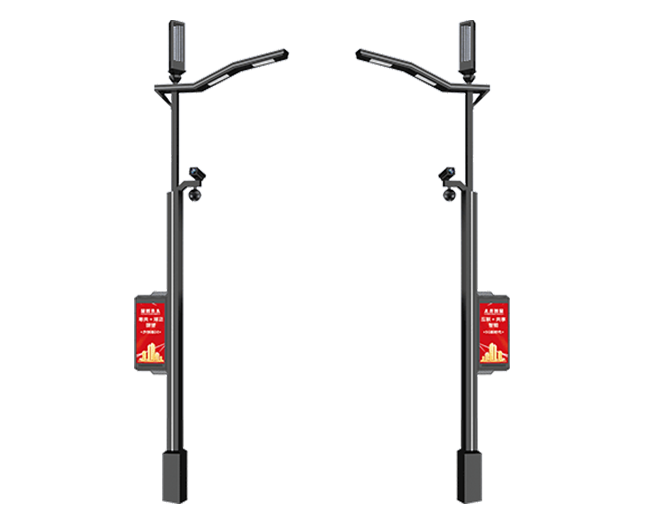
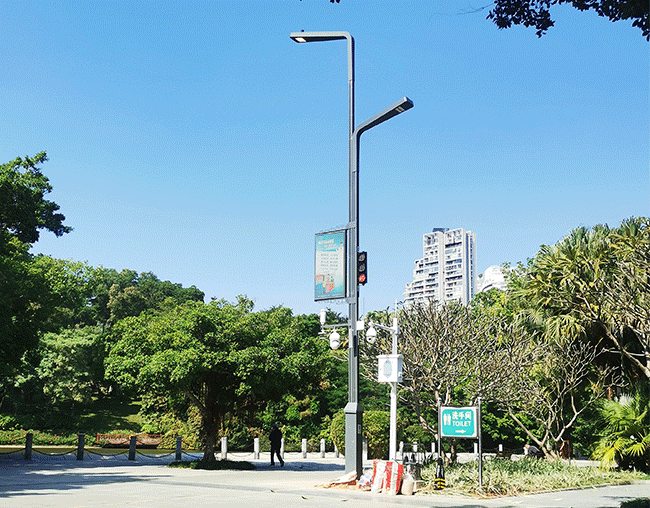
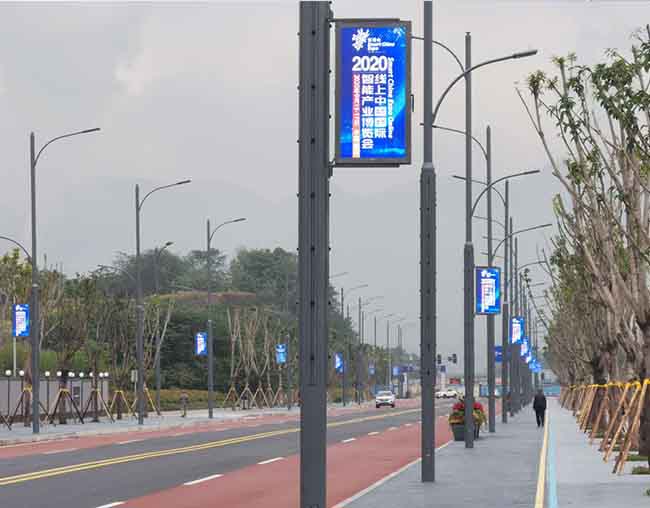
Intelligent light poles not only have the lighting function of traditional street lights, but also integrate a number of intelligent functions such as video surveillance, environmental monitoring, and information dissemination. These functions make smart light poles play an important role in enhancing urban management capabilities, enhancing public safety, and providing convenient services. Therefore, from the perspective of functional diversity, there is a certain necessity to arrange intelligent light poles in large areas.
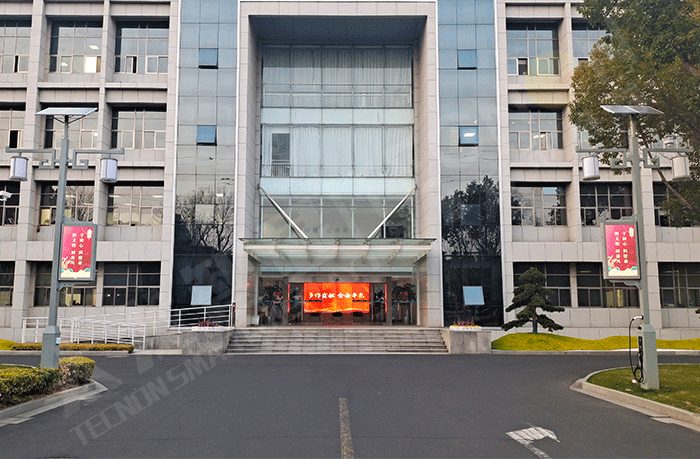
By integrating cameras and sensors, smart light poles can monitor road traffic in real time, helping city managers understand and respond to various emergencies in a timely manner. This real-time monitoring function is of great significance to improve the level of urban safety. Especially in areas with heavy pedestrian traffic, such as commercial centers and transportation hubs, large areas of smart light poles can more effectively protect public safety.
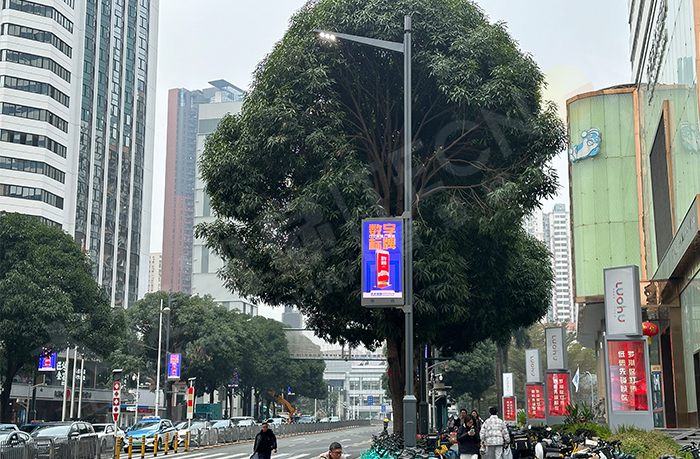
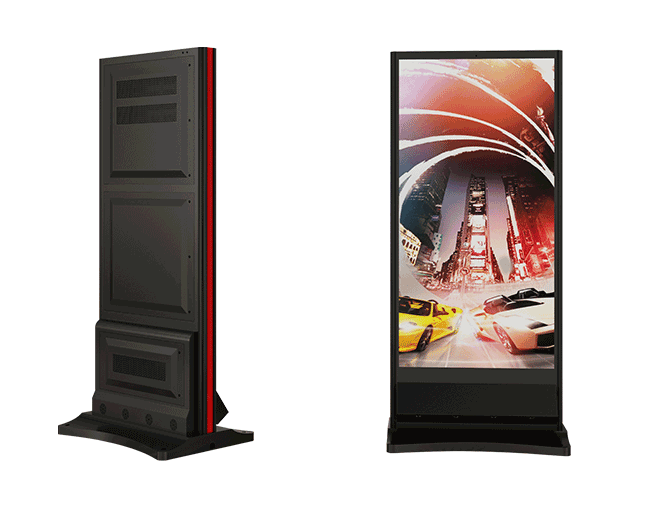
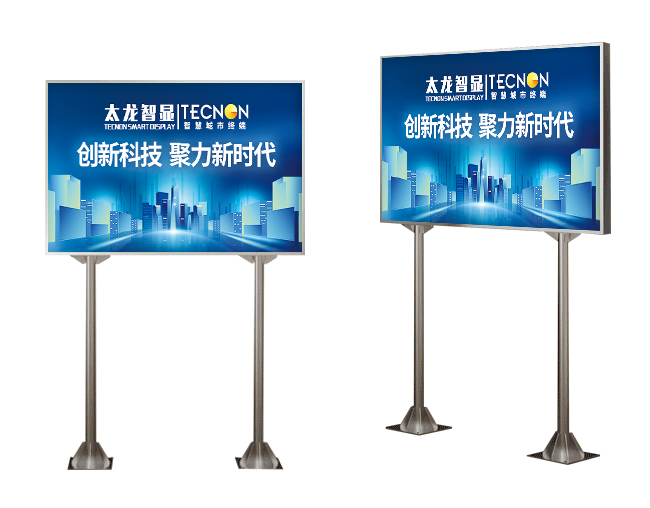
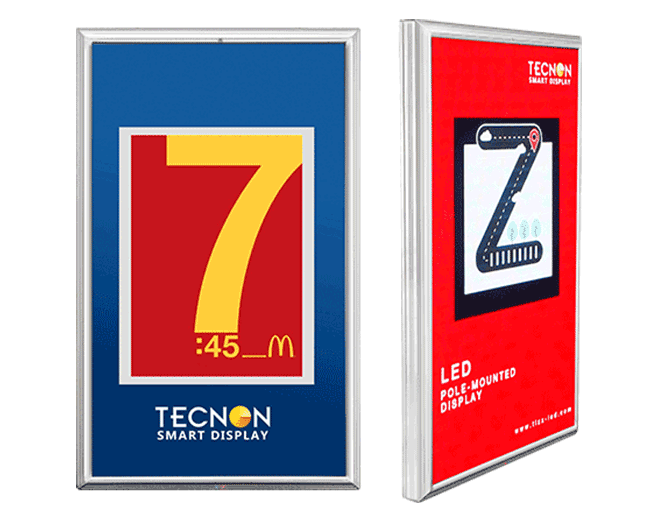
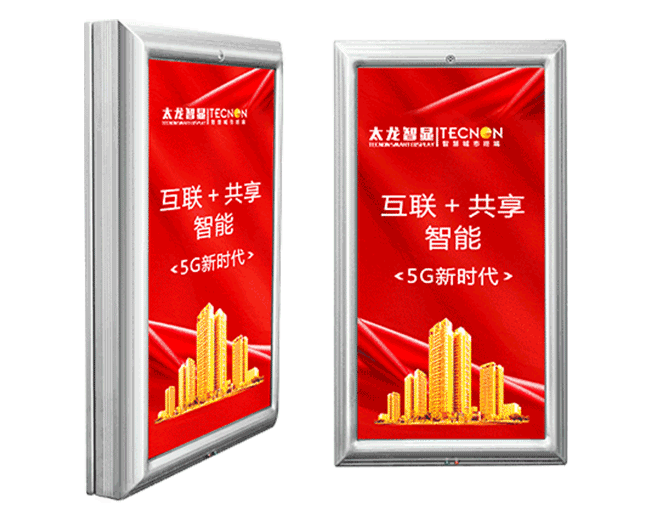
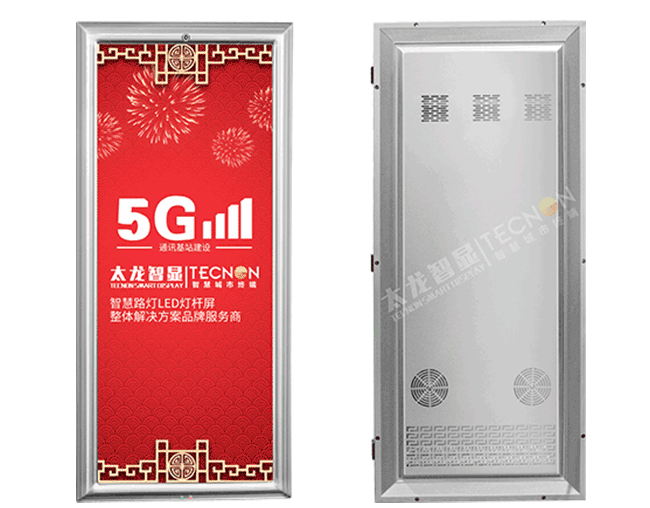
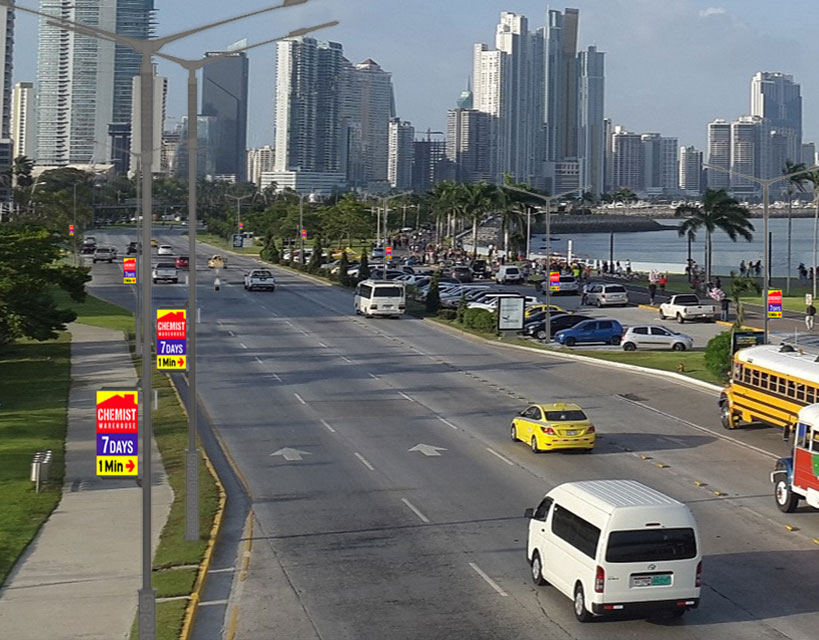
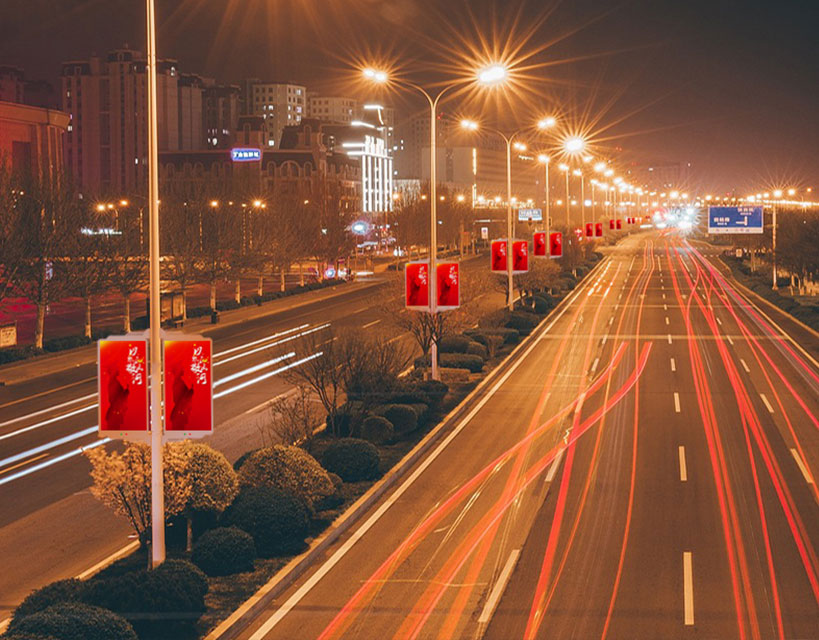
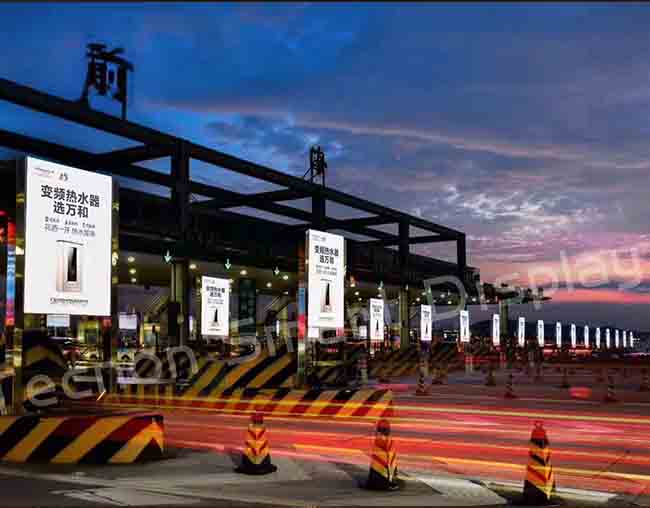
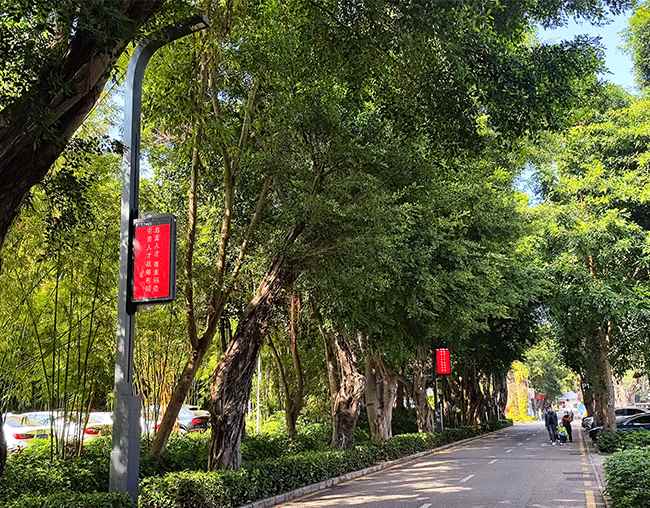
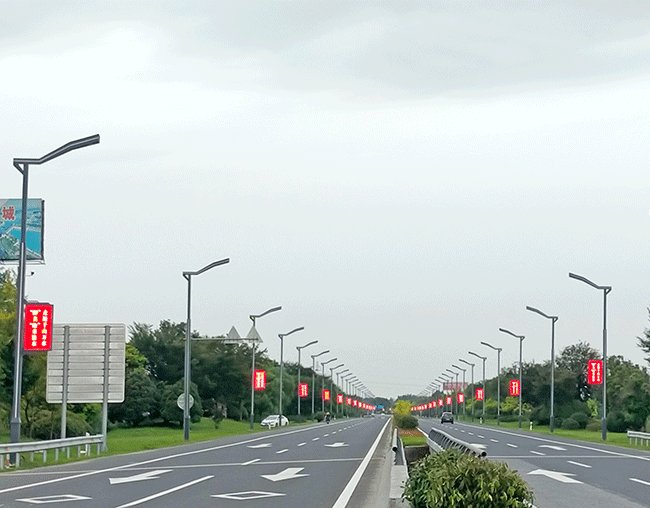
Smart light poles can also be used as a platform for information dissemination. Through the LED display or broadcasting system, important information can be released to the public in a timely manner, such as weather warnings, traffic conditions and so on. This information dissemination function is especially important in emergency situations, which can help guide the public to take the correct response measures.
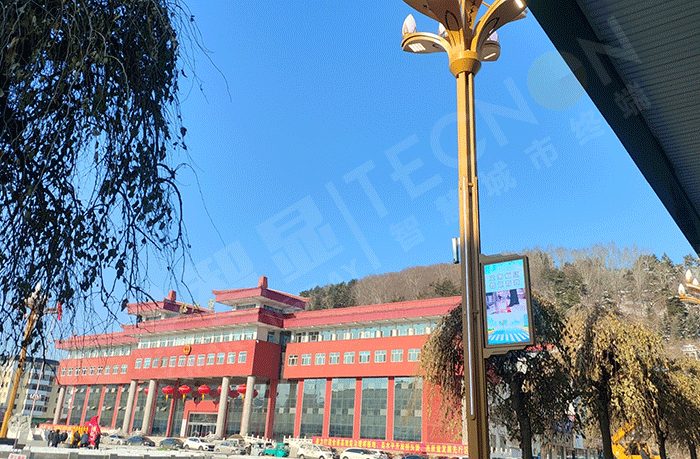
There are also some challenges and considerations in arranging smart light poles on a large scale. The first is cost. Smart light poles are more expensive to manufacture, install and maintain compared to traditional streetlights. Therefore, when deciding whether to arrange a large area, it is necessary to comprehensively consider the city's financial situation and actual needs.
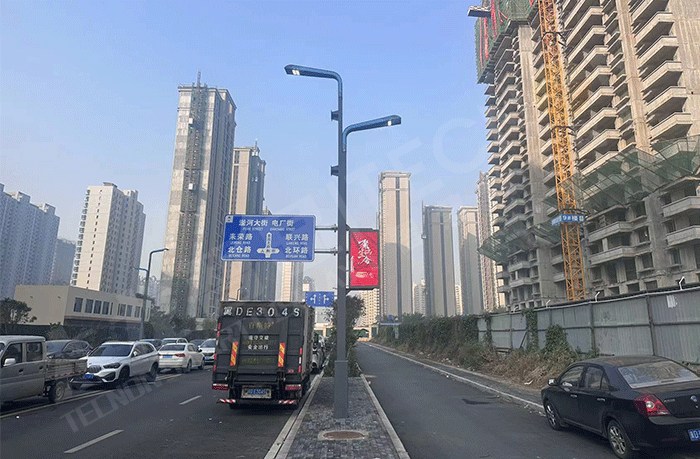
Technology update and maintenance is also an important issue. With the continuous progress of technology, the functions and performance of smart light poles also need to be constantly updated and optimized. This requires city managers not only to invest a lot of money in the initial construction, but also need to continue to invest resources for the later maintenance and technology upgrades.
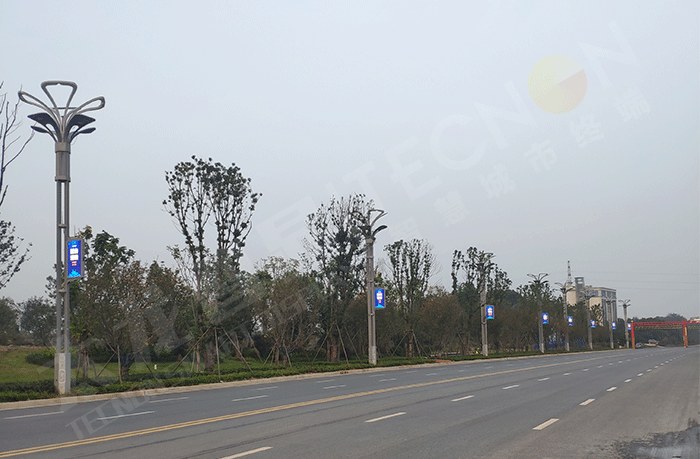
The large-scale deployment of smart light poles has significant advantages in improving city management, enhancing public safety and providing convenient services. However, it also requires city managers to fully consider and plan for cost investment and technological upgrades. Therefore, the decision of whether or not to install smart light poles on a large scale should be based on the actual situation and needs of the specific city.
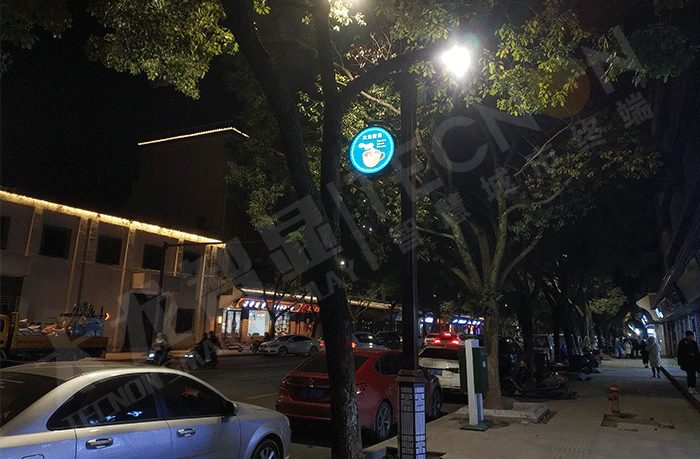
With the continuous progress of technology and cost reduction, we have reason to believe that smart light poles will be widely used in more cities, providing citizens with a smarter, more convenient and safer living environment.